
Moving home is one of the most stressful experiences most people go through. Between packing, coordinating removals, managing timelines, and dealing with the unexpected, the last thing you need is added pressure around where your belongings will go. With London Container Storage, you can get the perfect solution that gives you a safe space to […]
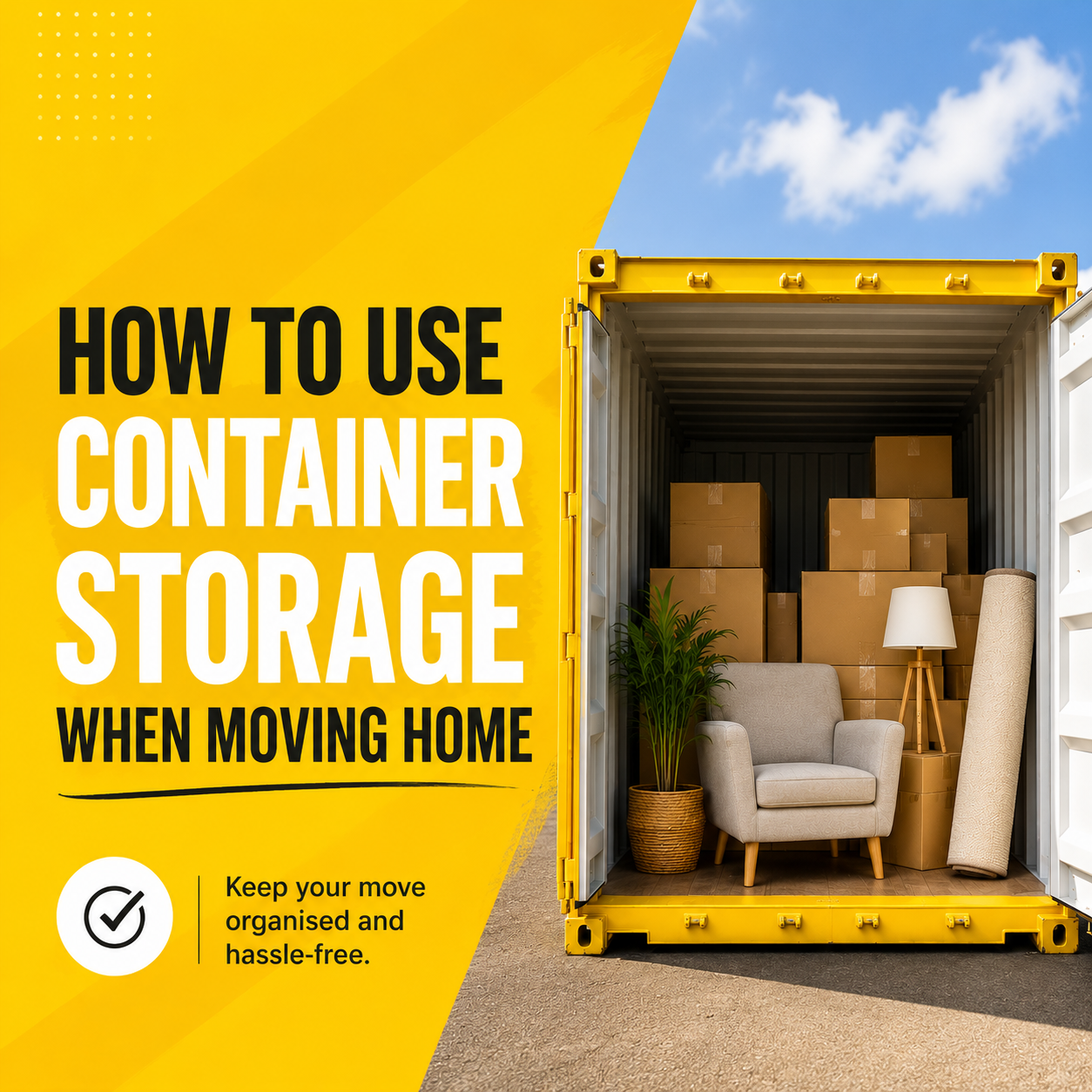
Moving home is one of the most stressful experiences most people go through. Between packing, coordinating removals, managing timelines, and dealing with the unexpected, the last thing you need is added pressure around where your belongings will go.
With London Container Storage, you can get the perfect solution that gives you a safe space to keep your possessions while your move falls into place.
With that being said, let’s walk you through the process of using container storage during a move, how to plan your storage around your timeline, what to store and what to move directly, and how to protect your belongings throughout the process.
The typical home move rarely runs on a perfect timeline. Completion dates shift, removal companies face delays, and new properties sometimes need work done before you can move in. Without a plan for your belongings, these delays become far more stressful.
Container storage removes that pressure by giving you a secure holding space for your furniture, boxes, and personal items for as long as you need. You move out on your schedule, store your belongings safely, and move into your new home when the time is right.
Container storage is useful at several different stages of the moving process:
Good planning makes the moving process significantly smoother. Here is a practical step-by-step approach to using container storage during a home move.
Storage units in London fill up quickly, particularly during peak moving seasons in spring and summer. Book your unit as soon as you have a confirmed move-out date to guarantee availability.
Assess the volume of items you plan to store before choosing a unit. A one-bedroom flat typically requires a smaller unit, while a three or four-bedroom house will need significantly more space. If in doubt, choose slightly larger.
Items going into storage should be packed differently from items going directly to your new home. Label storage boxes clearly with contents and room destination. Wrap fragile items carefully and use wardrobe boxes for hanging clothes.
Place heavy furniture and appliances at the back and base of the container. Stack boxes on top of solid surfaces rather than directly on the floor. Leave a clear path through the middle so you can reach items without unpacking everything.
Once you are settled in your new home, retrieve items gradually rather than all at once. This gives you time to properly organise each room rather than filling your new space with boxes before you are ready.
Move directly to your new home:
Once you’re all set to store your items in a unit, you need to ensure everything stays just the way you leave them.
Here are some helpful tips to help with this process:
Moving home in London does not have to be overwhelming. London Container Storage is here to take the pressure off by providing secure, accessible, and affordable container storage tailored around your moving timeline.
Our units are available from just £19.99 per week with no hidden fees and no long-term commitment. Every container benefits from weatherproof steel construction, round-the-clock video footage surveillance, gated access, and convenient drive-up loading at ground level – so your furniture and personal belongings are safe from the moment they go in.
If this sounds like a service you’d need, feel free to get in touch with our team today and let us help make your move as smooth as possible.
You can store your belongings for as long as your move requires – whether that is a few weeks or several months. Our facility at London Container Storage offers flexible monthly rolling contracts so you are never locked in longer than you need to be.
The right size depends on how much you are storing. A one-bedroom flat typically suits a smaller unit, while larger family homes require more space. Our team at London Container Storage is always happy to help you assess your needs and choose the most suitable unit size before you commit.
Yes. Container storage units are weatherproof, secure, and built to protect your belongings throughout the rental period. Our facility at London Container Storage proves this point by combining heavy-duty steel containers with 24/7 CCTV and gated access to ensure your furniture and personal items remain in the same condition you left them.
Absolutely. Access to your unit is available whenever you need it. Our facility at London Container Storage provides straightforward access so you can retrieve or add items at any point during your move without restrictions.
In most cases, yes. Many removal companies offer short-term storage as an add-on service, but the costs are often significantly higher than dedicated container storage facilities. At London Container Storage, pricing starts from just £19.99 per week, making it one of the most affordable storage options for home movers in London.